

Open New Doors with Italian
Studying Italian can open professional opportunities in key sectors; at the same time, learning Italian allows deeper access to Italy’s rich cultural heritage.
Italy is also an attractive destination for education, offering high-quality universities with low tuition fees. Beyond work and study, many people choose to learn Italian for personal reasons, including retiring in Italy.
In all these cases, speaking Italian is key to integrating into everyday life and fully experiencing what the country has to offer.
Working in Italy

Italy is world-famous for its influence in design, motors, fashion, and food.
But its strength is not just in producing products – it is in creating a cultural identity that is recognized globally and showcases Italy’s ability to turn creativity into culture through craftsmanship, technological innovation, and aesthetic excellence.
Knowing Italian allows you to engage directly with these industries, understand their culture, and increase your professional opportunities.
Opportunities in Italian Design
Italy’s reputation for craftsmanship and creativity is exemplified by brands such as Cassina, Alessi, and Poltrona Frau. Events like the Salone del Mobile showcase Italy’s vision of contemporary living, while Italian-designed objects in museums such as MoMA in New York demonstrate their artistic and cultural value.
Knowing the language is essential if you want to work in Italian design companies, communicate with clients and colleagues, or participate in international trade fairs and exhibitions.
Working in Italy’s Motor and Automotive Sector
Ferrari, Lamborghini, Maserati and Ducati are globally recognized not only for their performance, but also as cultural symbols of Italian innovation and style with the Motor Valley attracting professionals and enthusiasts from all over the world
Speaking Italian is crucial for pursuing careers in the automotive industry in Italy, as it allows you to understand technical discussions, collaborate with local teams, and navigate Italy’s automotive culture effectively.
Opportunities in Italian Fashion and Luxury Brands
Brands like Prada and Armani combine tailoring, creativity, and attention to detail, while events such as Milan Fashion Week and Pitti Immagine in Florence turn Italian cities into international stages where fashion connects with global markets.
For anyone aiming to work in Italy’s fashion sector or with Italian brands abroad, studying Italian is crucial. It helps understand industry-specific terminology and allows active participation in professional events.
Careers in Food, Wine, and the Hospitality Industry
Italian cuisine, recognized by UNESCO as intangible cultural heritage, varies by region but resonates globally: pasta, wine, olive oil, cheese, and coffee – produced by companies such as Barilla, Lavazza, Parmigiano Reggiano, and Ferrero – are symbols of quality and cultural heritage. Chefs like Massimo Bottura and companies such as Eataly spread authentic Italian culinary culture worldwide.
Learning Italian is essential for careers in the food industry, tourism and hospitality, allowing you to engage with clients and travelers, share local knowledge, and provide an authentic experience.
Cultural Benefits of Learning Italian

Mastering the Italian language gives you direct access to Italy’s extraordinary culture, from the beauty of its cities to the slow pace of life in small towns. It opens doors to masterpieces of art, cinema, literature, and opera, enabling you to experience Italy on a deeper level.
Art, Cities, and Cultural Heritage
Italy’s cultural heritage is everywhere.
Famous cities are instantly recognizable around the world, yet smaller towns also tell stories that span centuries of history, not to mention the countless archaeological sites across the country.
Museums such as the Uffizi, the Vatican Museums, the Borghese Gallery, and the National Archaeological Museum of Naples play a key role in preserving masterpieces.
Italian tourism is more than visiting monuments — it’s about experiencing the country’s landscapes, from the vineyards of the Langhe to the Amalfi Coast and the hills of Tuscany and Umbria, where art, history, and local culture come together.
By studying Italian, you have the chance to fully appreciate Italy’s cultural and historical heritage, and to understand the context behind its art, architecture, and local traditions.
Immersing in Italian Literature
Italian literature offers a rich heritage, from 20th-century classics to contemporary hits, including Elena Ferrante’s global phenomenon My Brilliant Friend.
Reading these works in Italian offers direct insights into Italian culture and society that translations cannot fully capture.
Understanding Italy Through Cinema
Italian cinema is rooted in the work of visionary directors like Federico Fellini, Vittorio De Sica, and Ettore Scola. Today, Paolo Sorrentino and Giuseppe Tornatore, both Academy Award winners for Best Foreign Film with The Great Beauty and Nuovo Cinema Paradiso, as well as Matteo Garrone, director of Dogman and Io Capitano, continue this tradition.
Watching Italian films in their original language allows you to grasp the subtleties of dialogue, humor, and cultural references, creating a more authentic experience.
Discovering Italian Opera and Its Opportunities
Italian opera remains one of the world’s most captivating art forms and La Traviata, Tosca, and The Barber of Seville are still performed in prestigious theaters worldwide. In Italy, venues like Teatro alla Scala in Milan, La Fenice in Venice, and the Arena of Verona offer unforgettable experiences.
Knowing Italian is a significant professional asset, as it facilitates direct access to an industry that is deeply rooted in the Italian language and culture.
Studying in Italy: Universities and Language Requirements
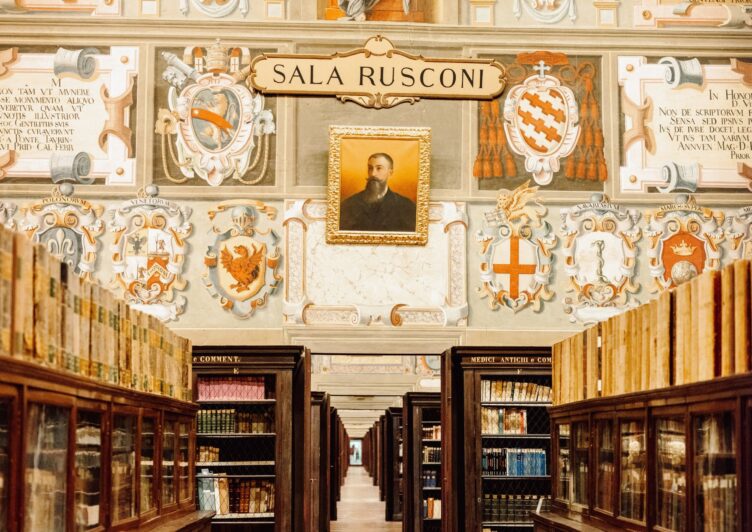
Italian universities combine a strong academic tradition with internationally recognized teaching and research, and they offer significantly lower tuition fees than many other European countries, making higher education in Italy accessible to international students.
Notable institutions include the Politecnico di Milano and Politecnico di Torino, renowned for engineering and design; the Alma Mater Studiorum – University of Bologna, one of the oldest universities in the world; and the Università Federico II di Napoli, known for its wide-ranging academic offerings.
Italy is also a popular choice for Erasmus exchange programs as it allows students to experience academic life in one of Europe’s richest countries in terms of history, art, and lifestyle.
For this reason, knowledge of Italian is essential as most Italian universities require at least a certified B2 level of Italian. Language learning and certification are therefore key steps for anyone planning to study in Italy, whether for a full degree or an Erasmus experience.
Embracing a New Lifestyle: Retirement in Italy

Italy is also a great option for those considering retirement.
Many people are drawn to the country’s mild climate, picturesque landscapes, and charming lifestyle.
Beyond popular cities, small towns and villages offer a slower pace of life and a deep sense of community that many retirees find especially rewarding.
In addition, the cost of living in Italy can be more manageable than in other Western European countries, and health services are widely available, contributing to a sense of security and well-being.
In this context, Italian becomes particularly valuable, as it allows retirees to navigate daily life with confidence.
How to learn Italian: key-factors and getting started
The answer is not the same for everyone, as learning a language is a personal journey:
• Native language: Spanish and French speakers often progress faster (600–700 hours for intermediate), while German speakers may need more time (around 900 hours). Chinese or Arabic speakers generally require more time to reach advanced levels.
• Motivation and consistency: Whether studying for exams, living abroad, or personal interest, dedication and regular practice are essential.
• Previous language experience: Knowing other languages helps you develop strategies and better understand linguistic structures.
• Learning resources and environment: High-quality materials, authentic content, engaging activities, and a stimulating context enhance learning outcomes.
Unsure how to get started? We’ve got you covered! Our courses make learning Italian easy, whether you’re just beginning or looking to improve your skills:
- Online classes – Learn Italian from anywhere with flexible, interactive lessons.
- Standard course – Immerse yourself in Italian life with in-person classes and cultural activities.
Looking for a unique experience? Explore our other programs:
- Pathway University program – A structured course mixing Italian language preparation with guidance for university applications, perfect for students aiming to study in Italy.
- Junior Summer Camp – Italian lessons for teens aged 14–17 paired with daily activities and cultural programs in and around Florence.
- Italian & Art – Learn Italian while taking art lessons in techniques like painting, sculpture, or drawing, all set within the artistic heart of Florence.
- Italian & Cooking – Combine language study with traditional cooking classes to explore Italian cuisine and culture through food.